RCS Messaging Explained
August 23, 2024

CONNECTING YOUR BUSINESS ACROSS EVERY CUSTOMER CHANNEL

Insights, ideas, and stories shaped by experience.
Clear content with purpose and
impact.



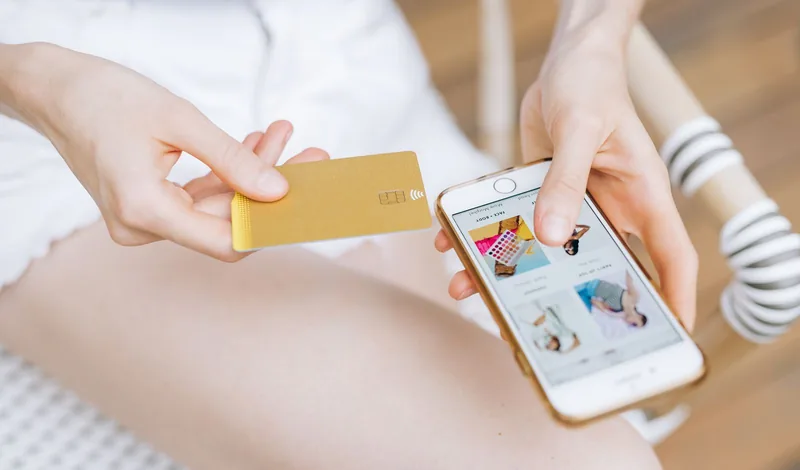
For more than a decade, SMS has been the default fallback for reaching customers
when email gets ignored and apps go uninstalled. But plain text messages capped
at 160 characters were never built for the way people actually shop, browse, and
communicate today. RCS (Rich Communication Services) is the technology carriers
and Google have positioned as the successor to SMS on Android, and it changes
what a text message can do. Instead of a flat string of characters, an RCS
conversation can carry high-resolution images, interactive carousels, suggested
reply buttons, and a verified brand identity — all inside the same native
messaging app your customers already use to text friends and family. For
businesses running marketing, support, or transactional messaging at scale, RCS
is quickly becoming the channel that makes a plain text thread look outdated.
SMS was designed in the 1980s for short, plain-text alerts sent over a carrier's signaling network, and it still shows those limits: no native read receipts, no typing indicators, and no reliable way to send anything beyond a low-resolution image via MMS. RCS runs over IP instead of the old SMS protocol, which is what unlocks richer features. Messages can include full-size images and video, buttons that trigger an action instead of forcing a reply to be typed out, and delivery and read receipts similar to WhatsApp or iMessage. Perhaps the biggest shift for business messaging is sender verification: a properly registered RCS business sender shows up with a logo, a verified checkmark, and a business name instead of an anonymous ten-digit number, which does a lot to cut through the suspicion customers now have toward unknown texts.
Once a business is verified for RCS, the message format itself becomes a small design surface. Rich cards let a single message show a product image, a headline, a short description, and a call-to-action button together, similar to a mini landing page inside the chat thread. Carousels extend that further, letting a customer swipe through several products, appointment slots, or menu items without leaving the conversation. Suggested reply chips remove typing altogether for common responses like "Confirm," "Reschedule," or "Track Order," which measurably increases response rates because there's nothing to type. Suggested actions can open a map, dial a phone number, add an event to a calendar, or launch a web page directly from the message. Combined with a branded sender profile and delivery-confirmed read receipts, RCS gives a business the same interactive toolkit as a native app, but delivered through the one inbox every Android user already checks constantly: their messages app.
RCS support is excellent on Android but still inconsistent on iOS, where Apple only began supporting the standard in late 2024 and has not yet exposed the full set of business features to app developers. That gap means RCS can't be a business's only channel — it has to sit inside a messaging strategy that automatically falls back to SMS, or WhatsApp where adoption is higher, whenever a recipient's device or carrier doesn't support the rich format. This is exactly the problem GetSyncPeak's RCS Business Messaging service is built to solve: a single API sends the richest version of a message a recipient's device can render, handles carrier and brand verification, and silently degrades to plain SMS when needed, so marketing and support teams don't have to build separate logic for every channel.
Launching RCS as a business sender is closer to WhatsApp's onboarding than SMS's.
A brand has to register as a verified sender through Google's RCS Business
Messaging program, either directly or through a messaging platform, submit a logo
and business details for review, and get message templates approved before
sending at volume. Once approved, the highest-value use cases tend to mirror what
already works well on WhatsApp: order and shipping confirmations with a live
tracking carousel, appointment reminders with a one-tap reschedule button,
delivery-window updates, and post-purchase support that can route into a live
agent or an AI chatbot without the customer leaving the thread. Retailers in
particular see strong results from RCS product carousels in abandoned-cart and
back-in-stock messages, since customers can browse and buy without ever opening a
separate app.
RCS won't fully replace SMS overnight, and it won't replace WhatsApp in markets
where WhatsApp already dominates. But for Android-heavy customer bases, it's the
clearest upgrade path business texting has had in years — turning a flat,
easy-to-ignore text into an interactive, branded conversation. Businesses that
start testing RCS now, with SMS as a safety net, will be ahead of the curve once
carrier support becomes universal and the rich-card format becomes the default
expectation for any text from a business, the same way a verified checkmark
became the baseline expectation for a business's presence on social media.
August 23, 2024

August 23, 2024

August 23, 2024




 OMNICHANNEL MESSAGING
AI-POWERED AUTOMATION
OMNICHANNEL MESSAGING
AI-POWERED AUTOMATION
CONTACT
GLOBAL SUPPORT
Our team supports customers online,
wherever your business operates.
We help businesses across time zones
stay connected with their customers.


© GetSyncPeak. All Rights Reserved
Post a Comments
Your email address will not be published. Required fields are marked *